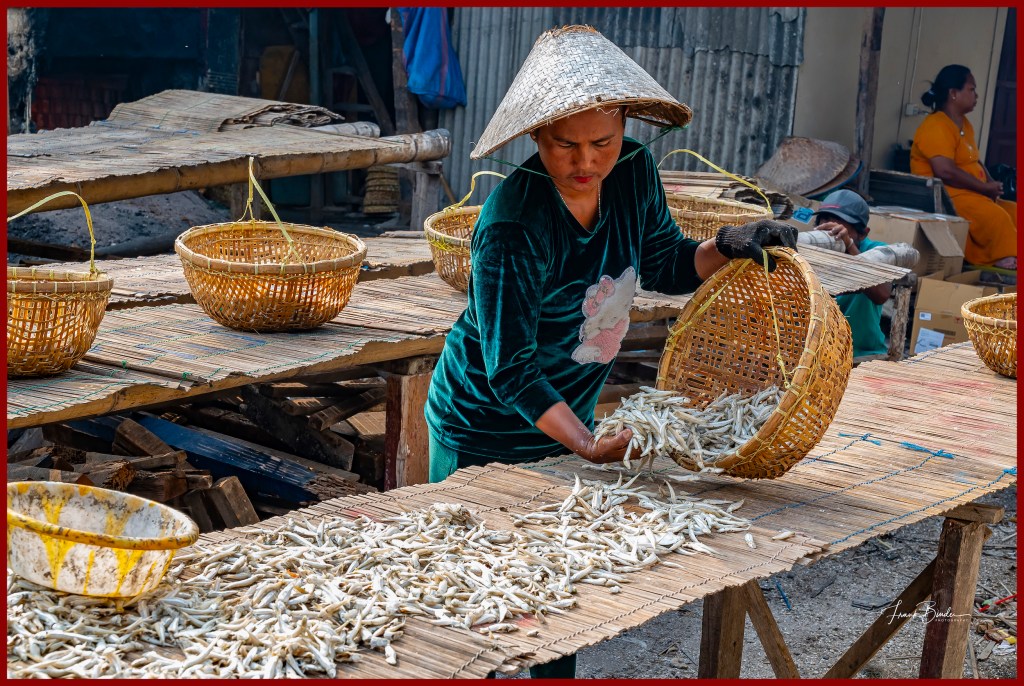
Indonesia is the largest archipelagic country in the world and the world’s second-largest producer of seafood.
Indonesia’s fisheries are globally important. The country’s waters support over 3,000 species of bony fishes and more than 850 sharks, rays, and chimaeras (a new word for me). The fisheries industry employs about 12 million Indonesians.
Fish stocks around the world are declining—with an estimated 90 percent of the world’s fisheries over or fully exploited. In developing countries, like Indonesia, the decline of a fishery can have severe consequences for the environment and for people. Nearly 40 percent of the Indonesian population lives at or below the poverty line, so fishing in this island nation is a way of life and provides an important food source for millions of people.
When contemplating Indonesian fisheries, my mental image was of mega trawlers dragging the oceans for weeks, and that is in fact the case for some of the large commercial operations. But I came across several small fishing operations carried out by small family run businesses that used a decidedly different model.
The first is an Anchovy fishing and processing operation
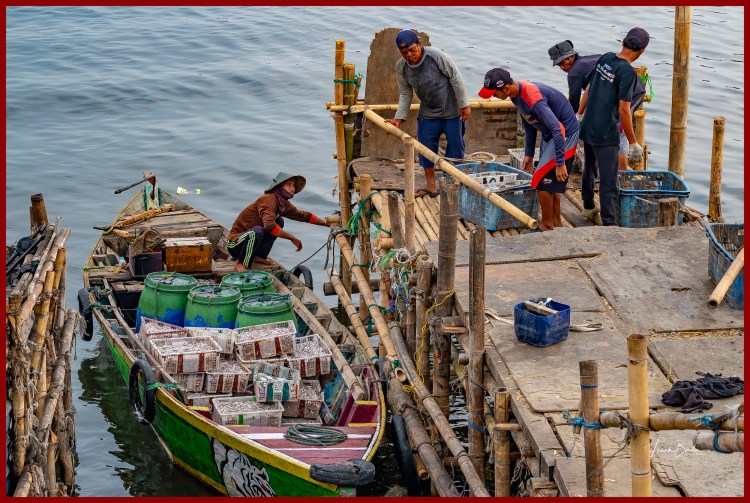
Small skiffs offload anchovy catches from larger ships and transport the fish to small family businesses who process it.
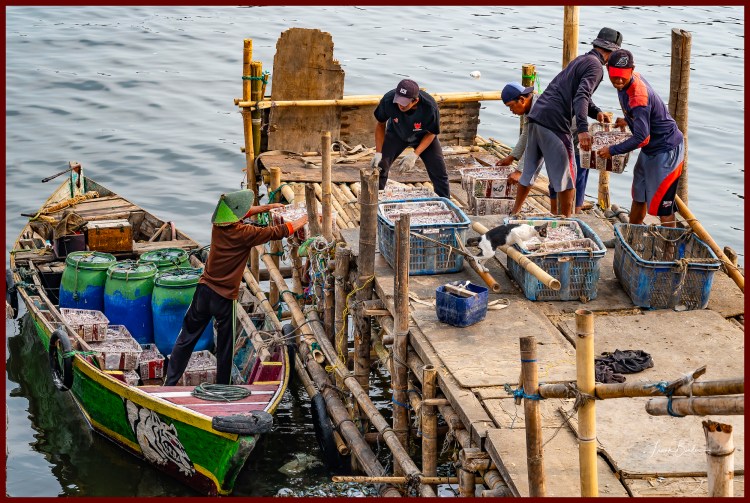
These cases of anchovies will be carried off the dock to a staging location.
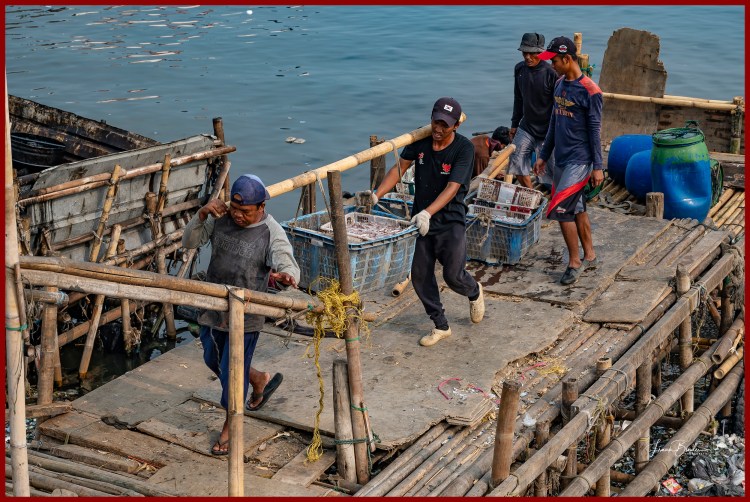
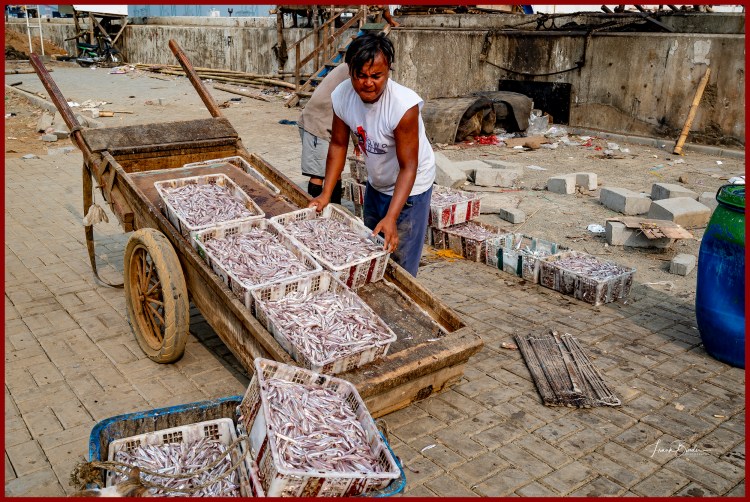
These loaded carts will be carried to low-tech processing sites that are located just a few yards away on the dock.
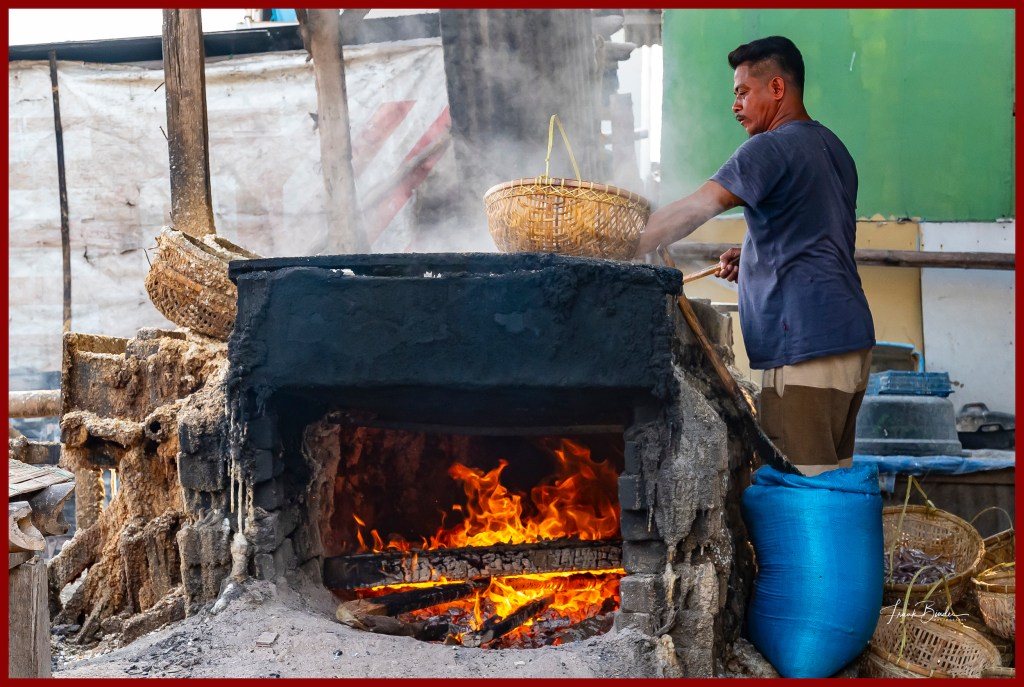
This wood-fired stove is heating a large cauldron of water. The anchovies are dumped into the water to be cooked and since they are small fish, it only takes a few minutes to finish.
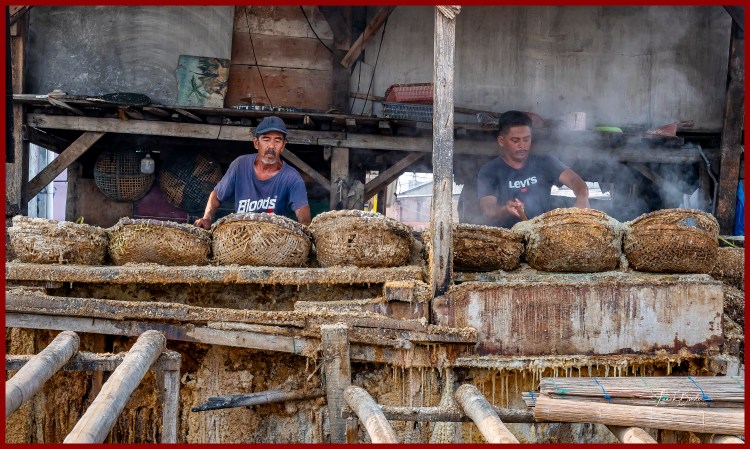
After cooking the fish will be set out on platforms to dry….no mechanized handling of the fish anywhere in the process.
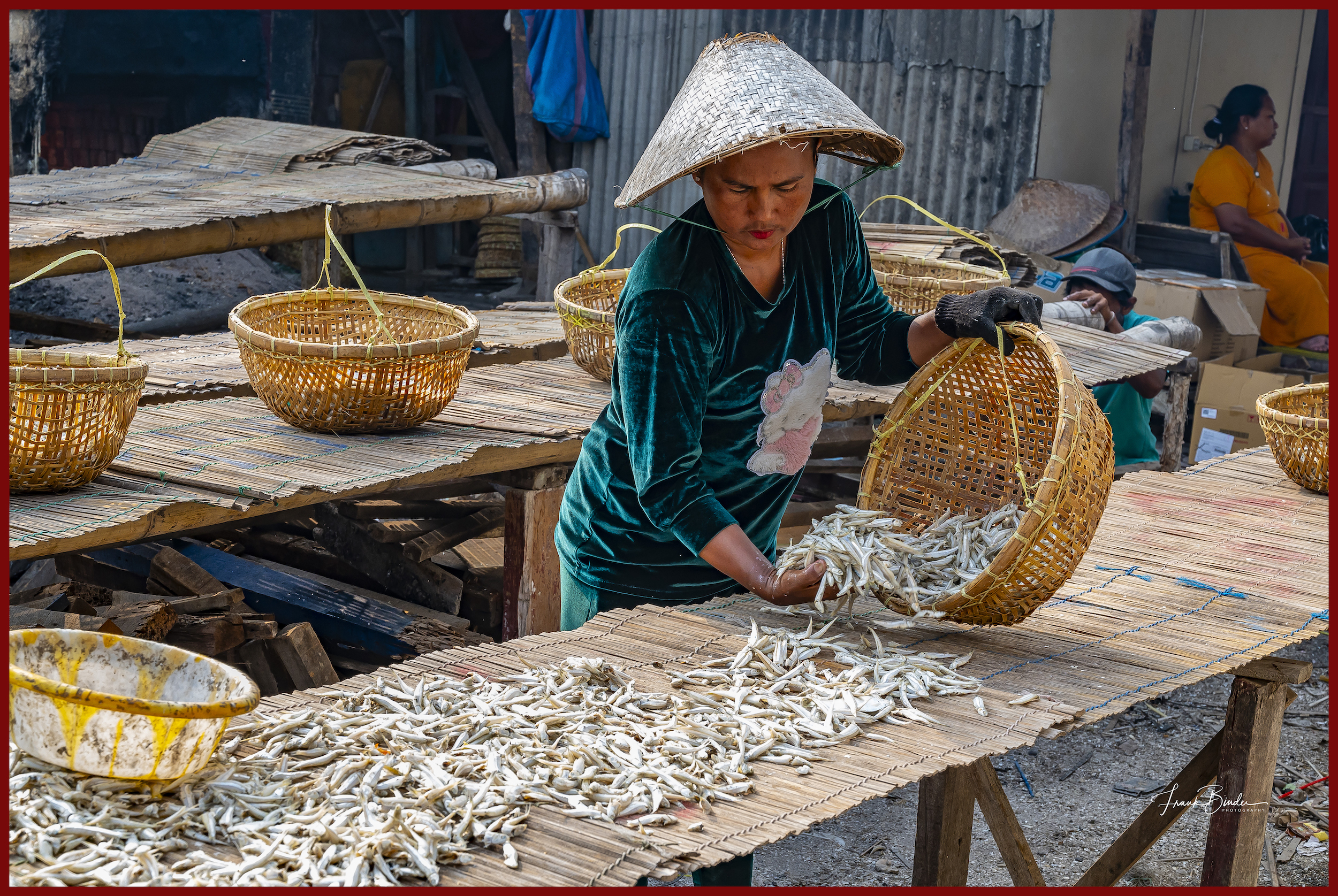
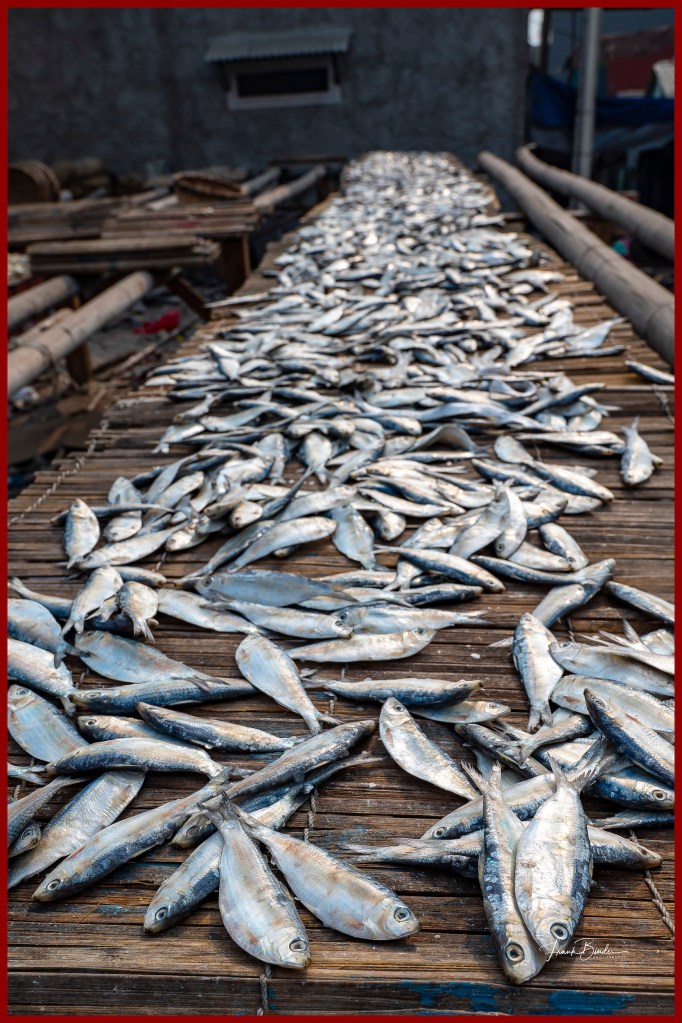
After the fish dry, they will be moved on for further processing or sold as is in local markets. Indonesians eat these anchovies whole.
The second small operation involves green mussels
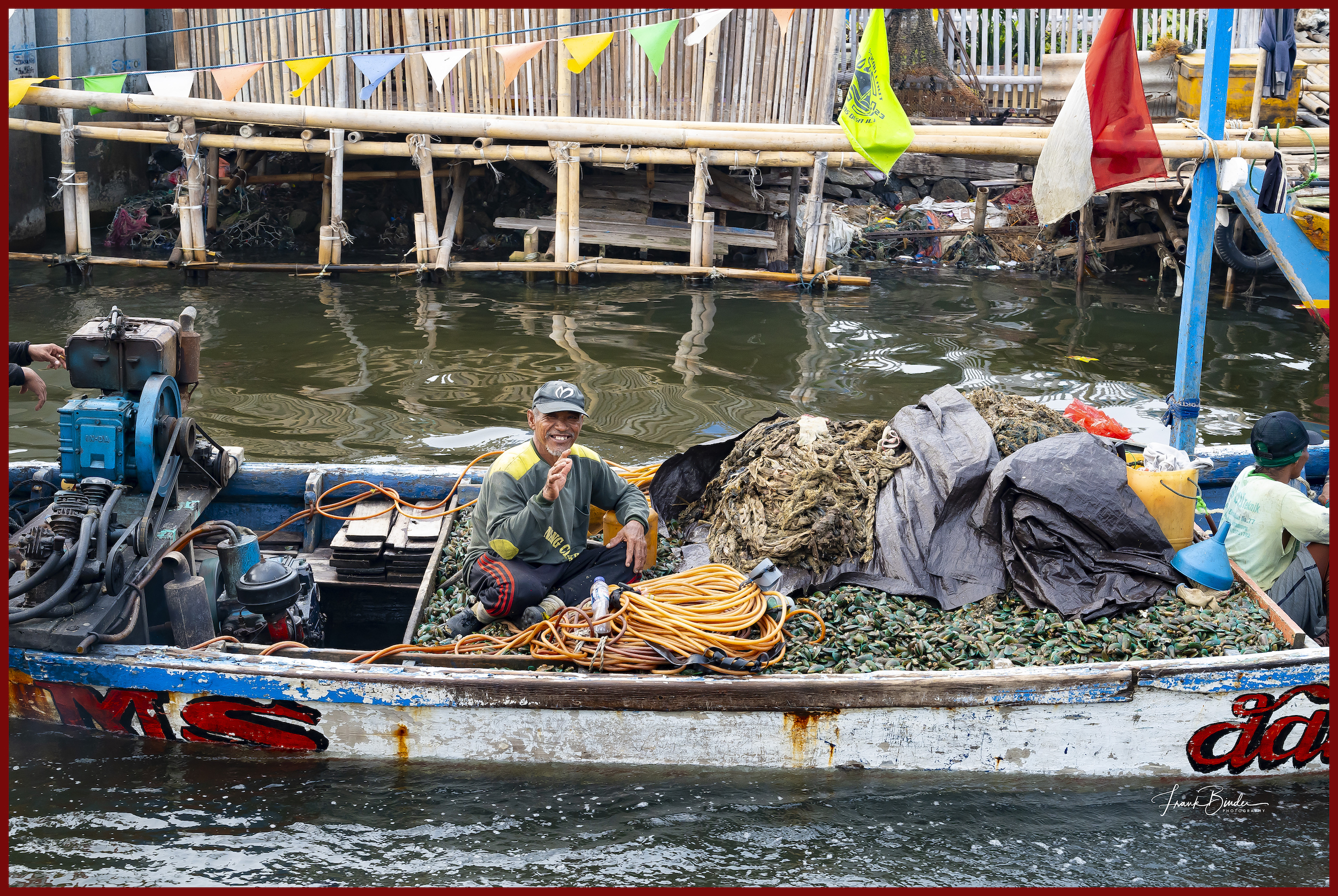
These mussels are grown in maritime agricultural farms just offshore.
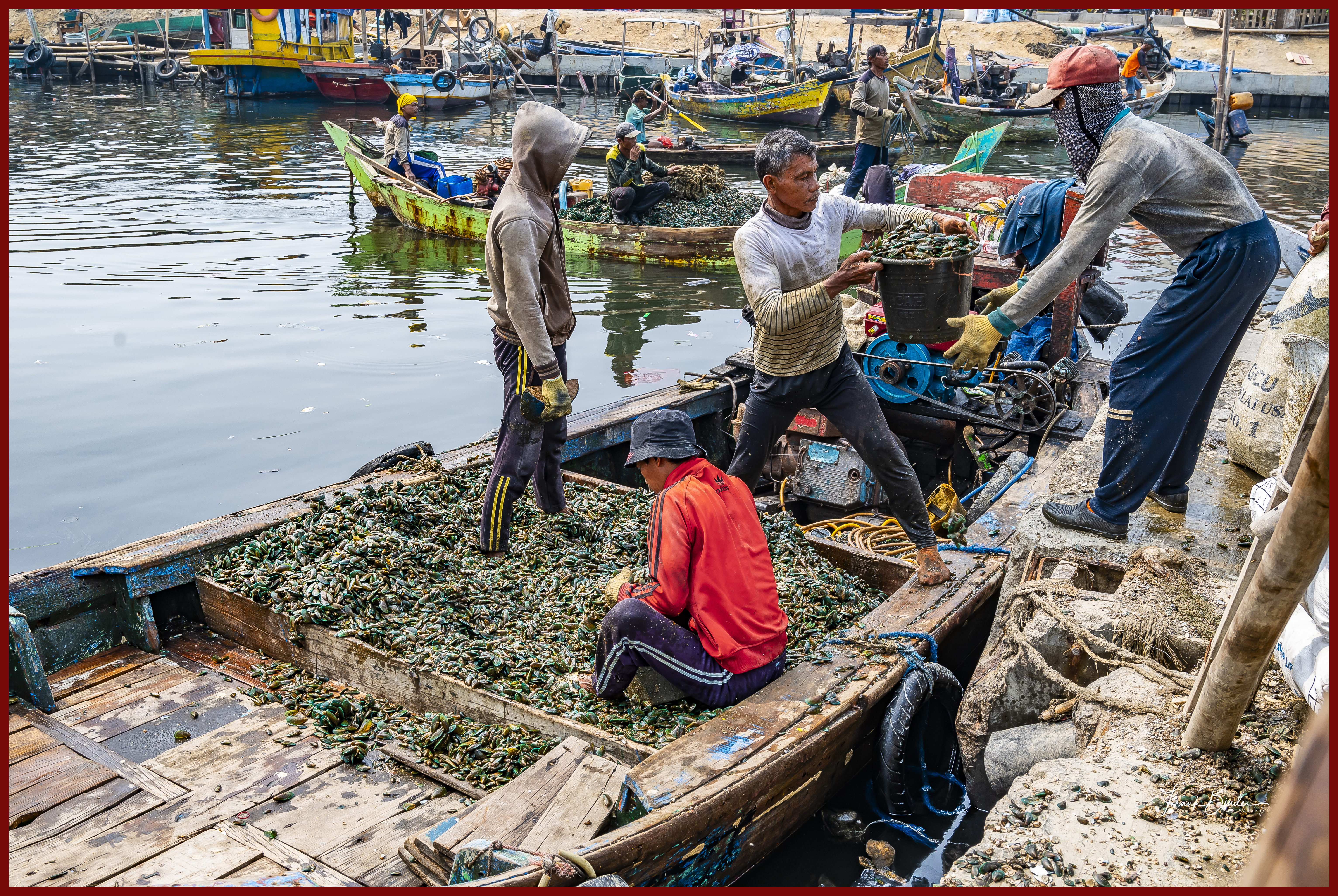
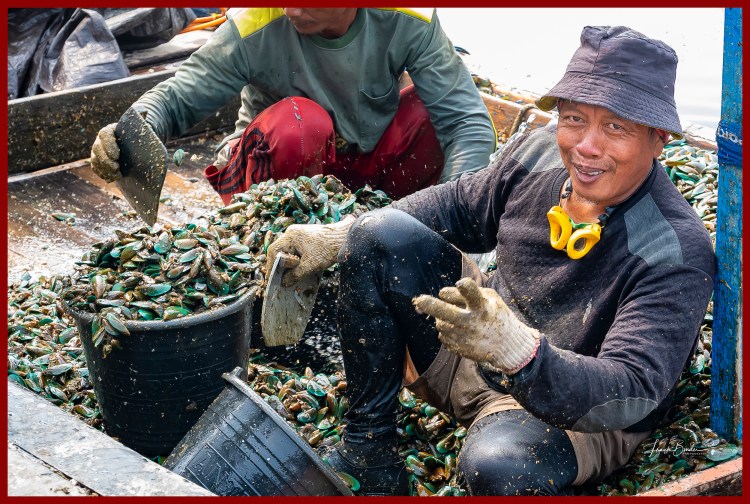
The shellfish are offloaded and packed into 100 lb bags for transport to further processing.
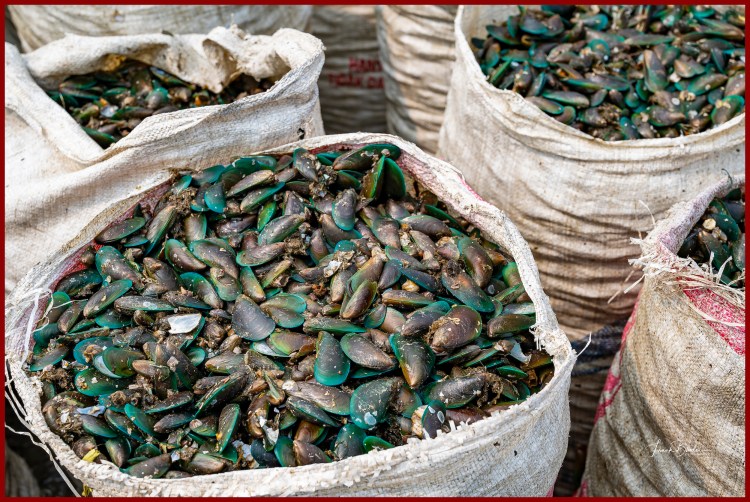
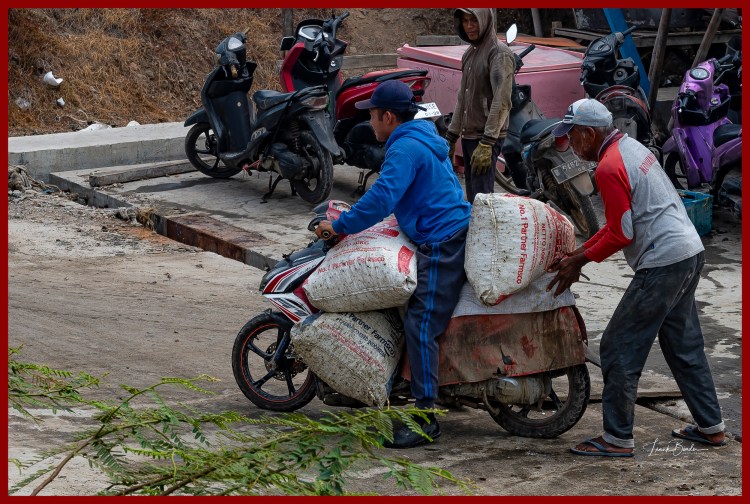
Three of these bags are loaded onto each small motor scooter for transport to buyers/restaurants. In the above case, the scooter carrying 300 lbs of mussels needs a push from someone to get it up the hill.
Thank you for reading my blog post and feel free to offer any commentary on the bottom of the page. Also, if you enjoyed the post and want to view future blog posts from me please subscribe buy clicking on the “Subscribe” button below.
Frank Binder
https://www.frankbinderphotography.com


 Chasing the Light
Leave a reply to Frank Binder Cancel reply